The Importance of Trees in Jewish Tradition
- minyangrove
- 6 days ago
- 4 min read
Trees hold a significant place in Jewish tradition, symbolizing life, growth, and the connection between humanity and the divine. From ancient texts to modern practices, trees are woven into the fabric of Jewish culture and spirituality. This blog post explores the multifaceted role of trees in Jewish tradition, their symbolism, and their practical importance in contemporary Jewish life.

The Symbolism of Trees in Jewish Texts
Trees in the Torah
The Torah, the foundational text of Judaism, frequently references trees. One of the most notable mentions is in the Book of Genesis, where the Tree of Life and the Tree of Knowledge of Good and Evil are introduced. These trees represent profound themes of choice, morality, and the essence of life itself. The Tree of Life, in particular, is often interpreted as a symbol of divine wisdom and eternal life.
The Seven Species
In Jewish tradition, the Land of Israel is celebrated for its abundance of seven species, known as the "Shiv'at HaMinim." Among these, two trees stand out: the olive tree and the date palm. The olive tree symbolizes peace and prosperity, while the date palm represents resilience and sustenance. These species are not just agricultural products; they embody the spiritual and physical connection to the land.
The Talmudic Perspective
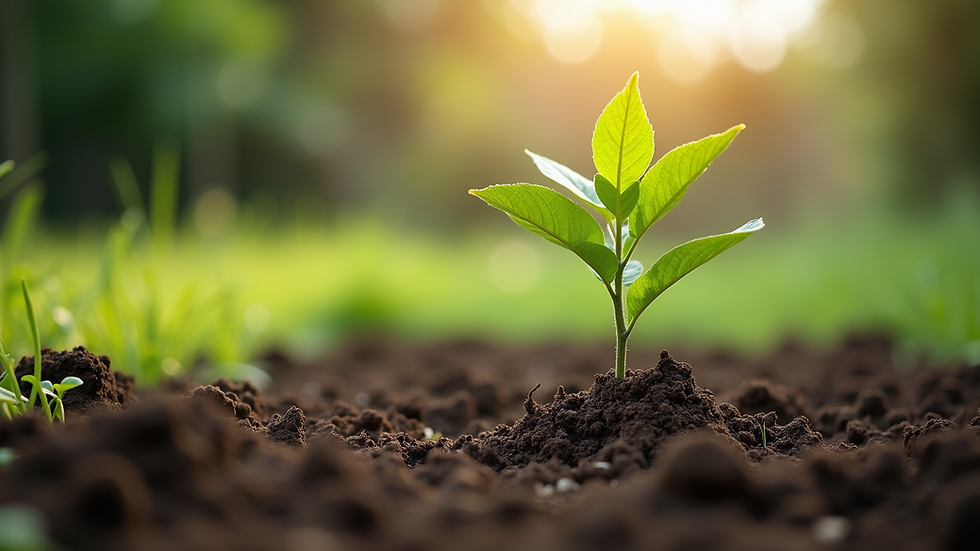
The Talmud, a central text in Rabbinic Judaism, further emphasizes the importance of trees. It teaches that planting a tree is an act of faith in the future. The famous saying, "If you have a sapling in your hand and someone tells you that the Messiah has arrived, plant the sapling first," illustrates the value placed on life and continuity. This perspective encourages individuals to invest in the future, nurturing both the earth and their communities.
Trees in Jewish Holidays and Rituals
Tu B'Shevat: The New Year for Trees
Tu B'Shevat, often referred to as the "New Year for Trees," is a holiday dedicated to the appreciation of trees and nature. Celebrated on the 15th day of the Hebrew month of Shevat, it marks the beginning of the agricultural year in Israel. Traditionally, Jews celebrate by planting trees, eating fruits, and participating in communal seders that highlight the significance of trees in Jewish life.
During Tu B'Shevat, it is customary to eat fruits from the seven species, reflecting gratitude for the bounty of the land. This holiday serves as a reminder of the importance of environmental stewardship and the responsibility to care for the earth.
Sukkot: The Festival of Booths
Sukkot, another significant Jewish holiday, also emphasizes the importance of trees. During this week-long festival, Jews build temporary shelters called sukkahs, often adorned with branches and leaves. The use of natural materials connects participants to the earth and symbolizes the fragility of life. The holiday encourages reflection on the relationship between humanity and nature, reminding us of our dependence on the environment.
The Ecological Significance of Trees
Environmental Stewardship
In contemporary Jewish life, the importance of trees extends beyond spiritual symbolism. Jewish teachings advocate for environmental stewardship, emphasizing the need to protect and preserve nature. The concept of "Bal Tashchit," which prohibits wasteful destruction, encourages individuals to care for the environment, including trees.
Many Jewish organizations actively promote tree planting and conservation efforts. Initiatives such as the Jewish National Fund (JNF) focus on reforestation and sustainable land management in Israel. These efforts not only enhance the landscape but also contribute to combating climate change and preserving biodiversity.
Community and Connection
Trees also foster community connections. Community gardens and urban greening projects often involve planting trees, bringing people together to work towards a common goal. These initiatives create green spaces that enhance the quality of life in urban areas, providing a sanctuary for both people and wildlife.
Trees as a Metaphor for Growth and Resilience
Personal Growth
In Jewish thought, trees serve as a powerful metaphor for personal growth and resilience. Just as trees endure harsh weather and thrive in diverse conditions, individuals are encouraged to cultivate inner strength and adaptability. The process of growth, whether in a tree or a person, requires patience, nurturing, and perseverance.
The Tree of Life
The concept of the "Tree of Life" extends beyond physical trees to represent spiritual growth. In Kabbalistic teachings, the Tree of Life symbolizes the structure of the universe and the path to divine understanding. Each branch represents different aspects of existence, guiding individuals on their spiritual journeys.
Conclusion
Trees are more than just natural wonders; they are deeply embedded in Jewish tradition and culture. From their symbolic representation in sacred texts to their practical importance in contemporary life, trees embody the values of growth, resilience, and stewardship. As we celebrate the significance of trees in Jewish tradition, let us also commit to nurturing our environment and fostering a deeper connection with nature. By doing so, we honor our heritage and ensure a sustainable future for generations to come.
As you reflect on the importance of trees, consider planting one in your community or participating in local environmental initiatives. Every small action contributes to a larger legacy of care and respect for our planet.

Comments